Dental X-rays: What They Show and How Often You Need Them
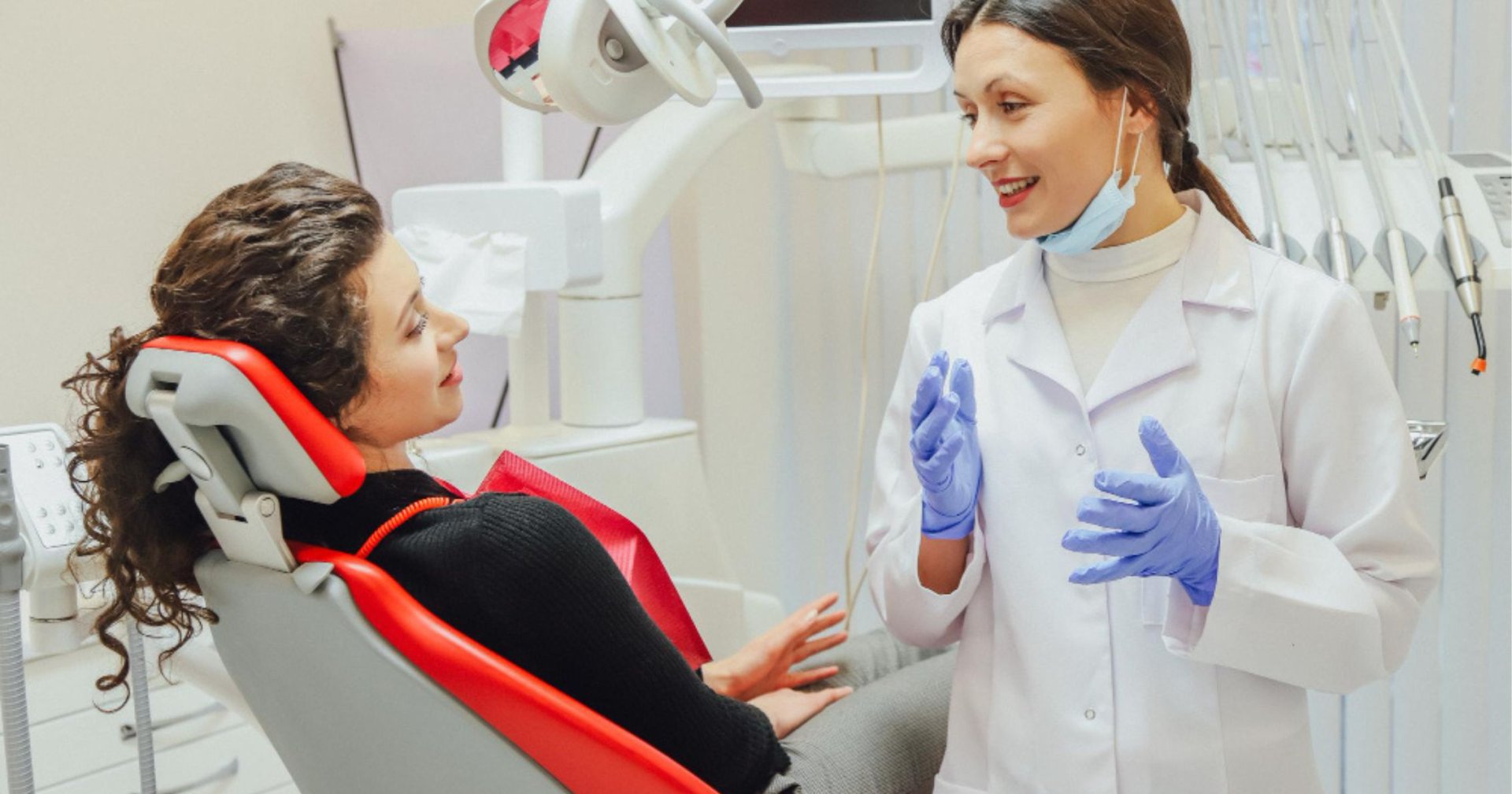
A dental X-ray shows what a visual exam alone can’t: decay forming between teeth, bone changes below the gumline, and other structures that aren’t visible just by looking in the mouth. This guide covers what dental X-rays actually reveal, the different types, how often they’re generally needed, and what’s involved in terms of safety and cost.
What a Dental X-ray Actually Shows
A dental X-ray gives a view beneath the surface that a visual exam and mirror can’t provide on their own, including:
- Decay forming between teeth, before it’s large enough to see or feel.
- Bone level around the teeth, which is used to assess gum disease.
- Infections or abscesses at the root tip of a tooth.
- Impacted or unerupted teeth, including wisdom teeth.
- The position and development of teeth still under the gum in children.
- The condition of old fillings, crowns, and other restorations.
Because many of these issues don’t cause obvious symptoms in their early stages, X-rays are often what catches a problem before it progresses.
Types of Dental X-rays
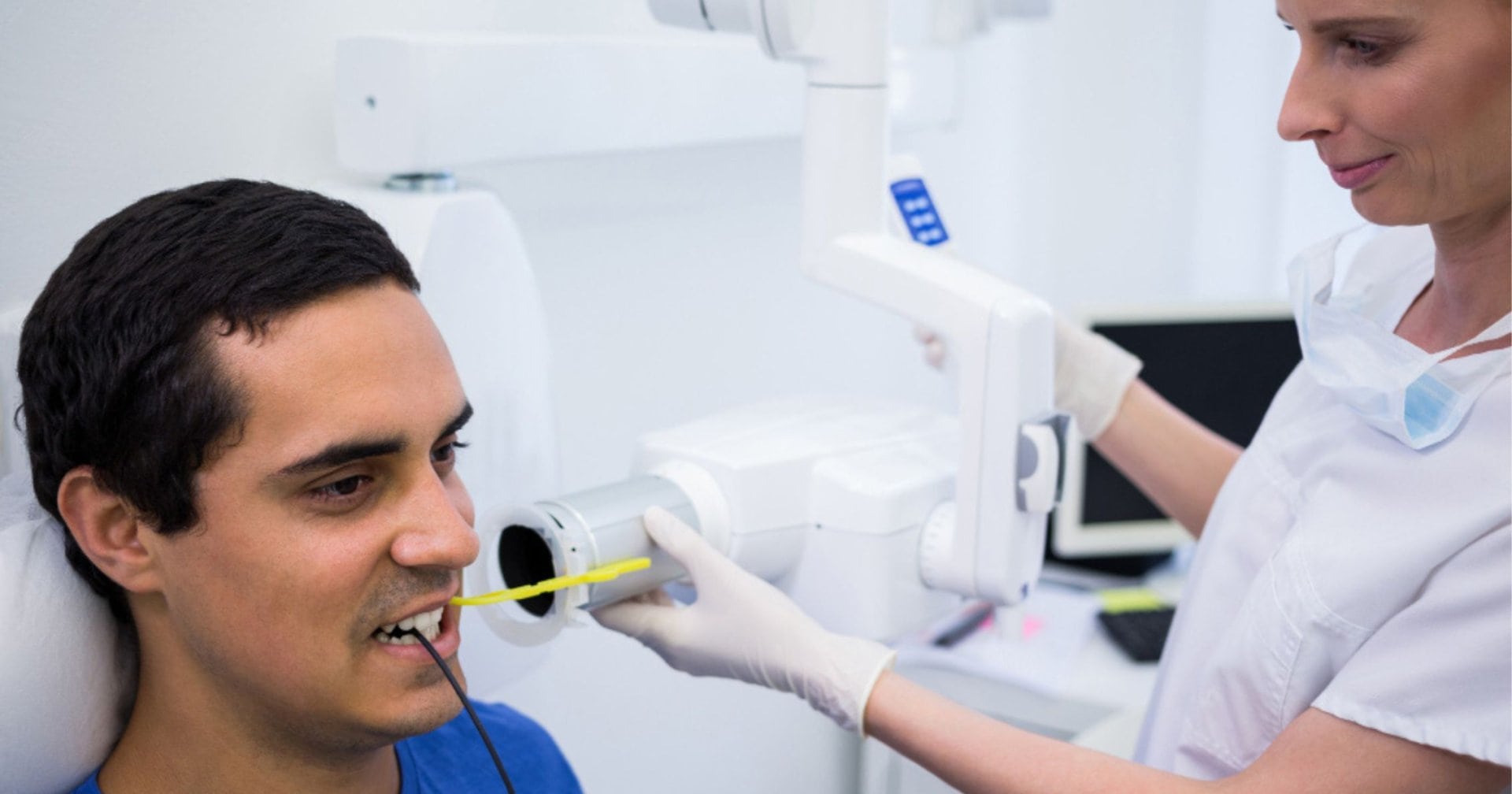
Different X-rays are used depending on what a dentist needs to see:
Bitewing X-rays show the upper and lower back teeth in the same frame, side by side as they meet, captured while you hold a small tab or holder between your teeth. Dentists reach for these routinely to spot decay hiding between teeth and to track how the bone at the gumline is holding up from one visit to the next.
Periapical X-rays capture a single tooth from crown to root tip, including the surrounding bone. These are generally used when a specific tooth is causing concern, such as suspected infection or an abscess.
OPG (panoramic) X-rays capture the entire upper and lower jaw in one wide image, showing all the teeth, the jaw joints, and structures like wisdom teeth in a single view. This type of imaging isn’t available at every dental practice, and some practices refer patients elsewhere for it. It’s worth asking your dentist directly whether this can be done on-site or by referral, depending on what’s needed for your case.
CBCT scans provide a more detailed 3D view and are generally used for more complex planning, such as implants or complicated extractions. As with OPG imaging, availability varies by practice, and referral to a location with this equipment is common.
How Often Do You Need Dental X-rays?
There’s no single fixed schedule that applies to everyone. How often X-rays are recommended depends on individual risk factors, including your history of decay, gum disease, and how your teeth and gums have changed since your last set of images.
Patients with a higher risk of dental problems are generally reviewed with X-rays more frequently than those with a stable, low-risk history. Your dentist can advise on an appropriate schedule based on your individual needs and circumstances.
Are Dental X-rays Safe?
Dental X-rays use a relatively small amount of radiation and may be used as part of routine dental examinations when clinically appropriate. Protective measures, such as a lead apron and sometimes a thyroid collar, are commonly used during the procedure.
If you’re pregnant or think you might be, it’s important to let your dentist know beforehand, since this may affect whether and when X-rays are taken. As with any medical or dental imaging, the decision to take an X-ray involves weighing the diagnostic benefit against the small amount of radiation exposure involved, which is why X-rays are generally only taken when there’s a clinical reason for them rather than as a routine formality.
Dental X-ray Cost
Cost varies depending on the type of X-ray, how many are needed, and whether it’s part of a broader check-up or a standalone appointment. Health fund rebates may apply depending on your policy and provider. Because of this variation, an itemised quote at your appointment is the reliable way to understand what applies to your specific situation.
What Happens at a Dental X-ray Appointment
For a bitewing or periapical X-ray, you’ll generally be asked to bite down on a small sensor or film holder while the image is captured, with a protective apron in place throughout. An OPG involves standing or sitting in a machine that rotates around the head to capture the panoramic image. The images are typically available for your dentist to review with you during the same appointment, since most practices now use digital imaging.
FAQ
Are dental X-rays safe for children?
Dental X-rays are generally considered safe for children when clinically needed, using a low dose of radiation and appropriate protective measures. Your dentist will only recommend them when there’s a specific reason to, such as monitoring developing teeth.
How often do I actually need dental X-rays?
This depends on your individual risk factors and dental history rather than a fixed schedule. Your dentist can advise on a suitable interval based on your situation.
What’s the difference between a bitewing and an OPG X-ray?
A bitewing shows the crowns of the back teeth on one side of the mouth, useful for checking between-teeth decay and gum-related bone level. An OPG captures the entire upper and lower jaw in a single wide image, providing a broader overview, including wisdom teeth and jaw structure.
Can I refuse a dental X-ray?
Yes, X-rays are part of a broader conversation about your care, and you can discuss the reasoning with your dentist, including any concerns you have, before deciding.
Do dental X-rays hurt?
No pain is generally associated with taking a dental X-ray itself. Some patients find the sensor or film holder mildly uncomfortable to bite down on, particularly if their mouth is smaller or more sensitive.
Why do I need X-rays if my teeth feel fine?
Many issues X-rays detect, such as decay between teeth or early bone changes from gum disease, tend to stay hidden from the outside, since they haven’t yet reached the point of causing any discomfort. This is part of why X-rays are used as a preventive tool rather than only when something already hurts.
Book a Check-Up in Cheltenham
If you’re due for a check-up or haven’t had dental X-rays in a while, it’s worth booking one to get a clearer picture of your oral health.
At Dentist On Warrigal Cheltenham, we see patients coming from Highett, Mentone, Moorabbin, Bentleigh, and across the surrounding area.
Call us on (03) 9583 5506 or book online at a time that suits you. Visit us at Suite C, 151 Centre Dandenong Road in Cheltenham.
Any surgical or invasive procedure carries risks. Before proceeding, consider seeking a second opinion from an appropriately qualified health practitioner.